Understanding Carpenter Ants in New England
Carpenter ants are one of the most common and frustrating pests in New England. Unlike termites, they don’t eat wood, but they do tunnel through it to create their nests, which can lead to serious structural damage over time. For homeowners, apartment renters, and restaurant owners, these ants can be a persistent problem, especially if they go unnoticed for too long. Knowing what to look for and how to handle an infestation can save a lot of headaches and costly repairs down the road.
What Do Carpenter Ants Look Like?
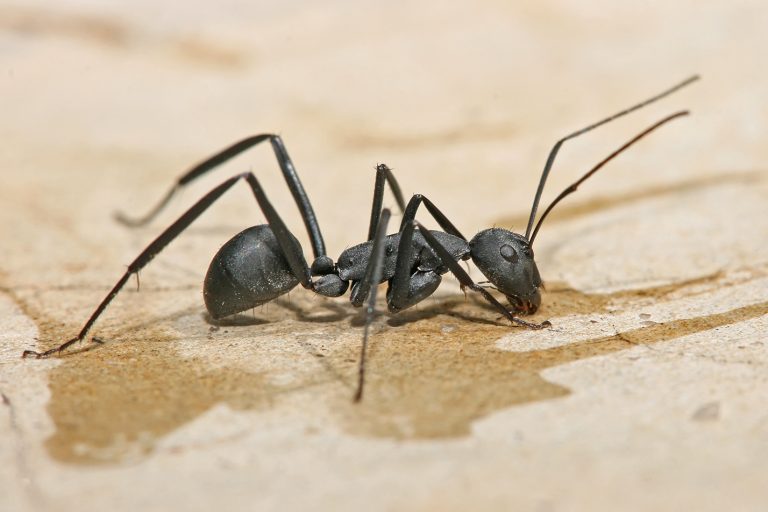
Carpenter ants are larger than most other ants you’ll find in New England. They typically range from a quarter-inch to a half-inch in size, though the queen can be even larger. They are usually black but can also have reddish or brownish tones, depending on the species. Unlike termites, carpenter ants have segmented bodies with a narrow waist, bent antennae, and longer legs. If you see large ants inside your home or business, especially at night, there’s a good chance you’re dealing with carpenter ants.
How Do Carpenter Ants Get Inside?
Carpenter ants are excellent at finding their way inside buildings. They are attracted to moisture and soft, decaying wood, making homes, restaurants, and apartment buildings the perfect target if there are any leaks or water damage. They can enter through gaps in doors and windows, cracks in foundations, and even tree branches that touch a building. Once inside, they start looking for a good place to establish a nest, often in wall voids, roof eaves, or wooden structures like decks and porches.
What Kind of Damage Can They Cause?
While carpenter ants don’t eat wood the way termites do, they still cause plenty of damage. They chew through wood to build tunnels for their nests, weakening the structure over time. If left untreated, an infestation can lead to sagging floors, hollowed-out beams, and expensive repairs. In a restaurant, they can even make their way into food storage areas, contaminating ingredients and becoming a major nuisance.
What Are the Signs of a Carpenter Ant Infestation?
One of the first signs of a carpenter ant problem is seeing large ants indoors, especially in the kitchen or bathroom. Since they are most active at night, you might not always notice them during the day. Another common sign is small piles of sawdust-like material, known as frass, near baseboards, windowsills, or wooden beams. This is a byproduct of their tunneling. If you listen carefully, you might even hear faint rustling sounds inside the walls. Swarming ants with wings are another major red flag, as they indicate a mature nest that is ready to spread.
Do Carpenter Ants Bite?
Carpenter ants can bite if they feel threatened, but they are not aggressive toward humans. Their bites can be a bit painful and may even break the skin, but they don’t transmit diseases. However, the real concern is not their bite but the damage they do to wood structures.
How Do You Get Rid of Carpenter Ants?
Getting rid of carpenter ants starts with finding and eliminating the nest. Since they are often hidden inside walls, floors, or wooden furniture, this can be tricky. The first step is to look for frass and follow the ants’ movement patterns. They often travel in trails between their nest and a food source.
Using bait can be effective, but it takes time. Carpenter ants bring baited food back to the colony, eventually poisoning the entire nest. However, if the main nest is inside the structure, direct treatment may be needed. A professional pest control service can locate the nest, use the right treatments, and ensure the infestation is completely eliminated.
Can Carpenter Ants Come Back After Treatment?
Carpenter ants can return if the underlying conditions that attracted them in the first place aren’t addressed. Moisture problems, rotting wood, and easy access points need to be fixed to prevent future infestations. Keeping trees and bushes trimmed away from buildings, sealing cracks and gaps, and storing food properly can go a long way in keeping them out. Regular pest inspections can also help catch any new activity before it turns into a bigger problem.
Are Carpenter Ants Worse in Certain Seasons?
Carpenter ants are most active in the spring and summer, when they search for food and establish new colonies. During the colder months, they tend to stay hidden inside their nests. However, if you see carpenter ants indoors during winter, that’s a sign of an active colony inside your home or business. Since they don’t hibernate, they continue to tunnel through wood, causing damage year-round.
Can Carpenter Ants Infest a Restaurant?
Restaurants can be an easy target for carpenter ants, especially if there are food spills, moisture issues, or wooden structures with hidden nests. Ants are always looking for a reliable food source, and a restaurant kitchen provides plenty of opportunities. If a customer sees ants in their food or along the dining area walls, it can quickly turn into a bigger issue. Regular cleaning, proper food storage, and routine pest control inspections are the best ways to prevent a carpenter ant problem in a restaurant.
How Are Carpenter Ants Different from Termites?
Carpenter ants and termites are often confused, but they are very different pests. Termites eat wood as their primary food source, while carpenter ants simply tunnel through it to create their nests. Termites leave behind mud tubes and create smooth, maze-like tunnels inside wood. Carpenter ants, on the other hand, leave behind rough, chewed-out tunnels and piles of frass. The treatments for each pest are also different, which is why proper identification is important.
Can You Get Rid of Carpenter Ants Without Chemicals?
There are some natural methods to help deter carpenter ants, but a full-blown infestation usually requires professional treatment. Removing food and water sources, sealing up entry points, and keeping wood dry can make your home or business less attractive to them. Some homeowners try using vinegar or essential oils like peppermint or tea tree oil to repel ants, but these methods don’t eliminate the nest. Professional treatments are designed to target the entire colony, ensuring the ants don’t come back.
How Can You Prevent a Carpenter Ant Infestation?
The best way to prevent carpenter ants is to remove what attracts them in the first place. Keeping firewood and lumber stored away from buildings, fixing leaks, and ensuring proper ventilation in crawl spaces and basements can help. Regularly inspecting wood structures for signs of damage or frass can also catch a problem early. If you live in an area where carpenter ants are common, scheduling an annual pest inspection can help keep them in check before they become a bigger issue.
When Should You Call a Pest Control Professional?
If you see carpenter ants frequently inside your home, business, or restaurant, or notice signs of wood damage, it’s time to call a professional. Finding the main nest and eliminating the colony can be difficult without the right experience and tools. A pest control expert can properly identify the problem, locate the nest, and use targeted treatments to get rid of the ants completely.
Carpenter ants are a serious pest problem in New England, but with the right approach, they can be managed and prevented. Whether you’re a homeowner, a renter, or a restaurant owner, taking quick action at the first sign of an infestation can save time, money, and frustration. Regular maintenance and professional ant control services can keep your space free from carpenter ants and the damage they cause.