Eastern Subterranean Termites in New England: What Home and Business Owners Need to Know
At Nate’s Home and Business Pest Control, we understand how concerning it is to hear the word “termites.” These tiny pests are responsible for causing millions of dollars in structural damage every year, and unfortunately, they are a common problem in Massachusetts and throughout New England. Eastern subterranean termites are the most common type found in this region, and their ability to quietly eat away at wood makes them one of the most destructive pests a home or business can face.
Termites can go unnoticed for years before the damage becomes visible. That is why it is so important for homeowners, apartment renters, and restaurant owners to understand what attracts termites, how to spot the early warning signs, and what steps to take if an infestation is suspected. The sooner you act, the better your chances of minimizing damage and protecting your property.
What Are Eastern Subterranean Termites?
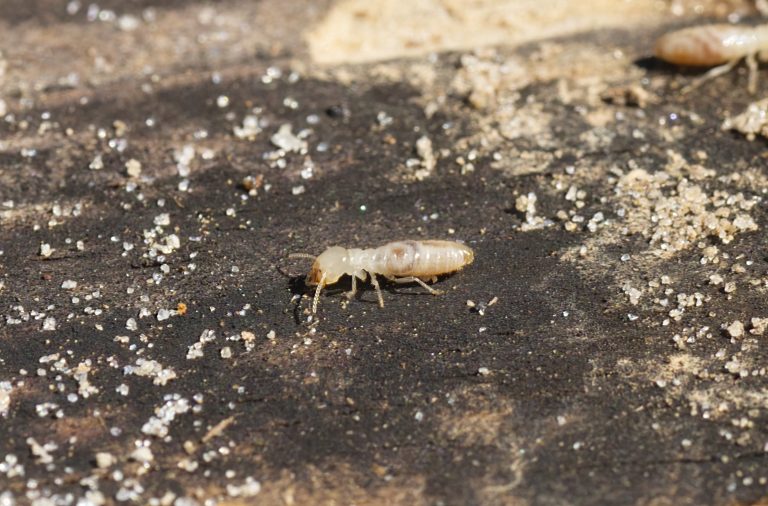
Eastern subterranean termites (Reticulitermes flavipes) are a species of termite that live underground and rely on moisture to survive. Unlike drywood termites that can live within the wood they infest, subterranean termites build extensive tunnel networks below the soil, traveling back and forth to their food sources.
These termites are small, usually between a quarter and half an inch long, with soft, pale bodies. The colony is divided into different castes, including workers, soldiers, and reproductive termites. Workers are responsible for chewing through wood, while soldiers defend the colony. Reproductive termites, also called swarmers, emerge in the spring to start new colonies.
Since they live underground, they often go unnoticed until serious damage has already been done. Their ability to tunnel through foundations, support beams, and wooden structures makes them a major concern for both residential and commercial properties.
Where Do Eastern Subterranean Termites Live?
As their name suggests, subterranean termites prefer to live underground. They build their nests in soil and create tunnels, often called mud tubes, to reach above-ground wood sources. These tunnels protect them from drying out and help them move safely from their colony to their food supply.
They are most commonly found near homes and businesses with wood structures in direct contact with soil. This includes foundations, decks, wooden fences, and crawl spaces. Even properties with concrete or brick exteriors are not safe, as termites can still find their way inside through small cracks and crevices.
In restaurants, termites can be particularly problematic if they infest wooden storage areas, shelving, or baseboards. Apartment buildings with wooden framing can also become infested, spreading the problem between multiple units if not treated quickly.
How Do Termites Get Inside?
Termites are always searching for new food sources, and they can enter buildings in several ways.
One of the most common entry points is direct wood-to-soil contact. If wooden beams, posts, or decks are touching the ground, termites can easily tunnel into them and begin feeding.
Cracks in foundations or walls can also provide access. Even the smallest opening can allow termites to squeeze through and establish a colony inside a building.
Moisture is another major factor. Termites thrive in damp environments, so leaks, poor drainage, or high humidity levels can make a home or business more attractive to them. Properties with clogged gutters, standing water near the foundation, or leaking pipes are at a higher risk of infestation.
Are Eastern Subterranean Termites Dangerous?
Termites do not pose a direct health risk to humans, as they do not bite or spread diseases. However, the structural damage they cause can be severe.
Over time, termite infestations can weaken wooden support beams, flooring, and even walls, leading to costly repairs. In extreme cases, structural damage can become dangerous, making a building unsafe for occupants.
For businesses, particularly restaurants and apartment complexes, a termite problem can result in major financial losses. If an infestation is discovered during an inspection, it could lead to expensive remediation efforts, temporary closures, or even legal issues if tenant properties are damaged.
What Are the Signs of a Termite Infestation?
Since subterranean termites often remain hidden, it can be difficult to detect an infestation until significant damage has already occurred. However, there are a few key warning signs to watch for.
Mud tubes are one of the most obvious indicators. These small, tunnel-like structures are built along foundations, walls, or other surfaces and serve as protective pathways for termites traveling between their colony and food sources.
Discarded wings can also be a sign of termite activity. Swarmers, the reproductive termites, take flight in the spring and shed their wings after finding a suitable location to start a new colony. Piles of small, translucent wings near windows, doors, or light fixtures may indicate an infestation.
Wood damage is another common sign. Termites eat wood from the inside out, which can cause wood to appear hollowed or blistered. If wooden structures sound hollow when tapped, this could suggest hidden termite activity.
In some cases, unexplained cracks in walls or ceilings may also be related to termite damage, as the weakening of wooden supports can cause shifts in the structure.
What Should I Do If I Suspect Termites?
If you notice any of the warning signs of termites, it is important to take action right away. Termites do not go away on their own, and delaying treatment can lead to extensive damage and expensive repairs.
At Nate’s Home and Business Pest Control, we specialize in termite control and use industry-leading techniques to eliminate infestations and prevent future problems. Our process begins with a thorough inspection to determine the extent of the infestation and identify entry points. Based on our findings, we develop a customized treatment plan to target the termites while minimizing disruption to your home or business.
Because subterranean termites live underground, treating them requires specialized solutions such as baiting systems or liquid termiticides that create a protective barrier around your property. These treatments not only eliminate active colonies but also help prevent new ones from establishing.
How Can I Prevent Termites from Coming Back?
Once termites have been eliminated, prevention is key to keeping them from returning.
Reducing moisture around your property can make a big difference. Fixing leaks, improving drainage, and using dehumidifiers in basements or crawl spaces can help make your home or business less attractive to termites.
Keeping wood and soil separate is another important step. Wooden structures should not be in direct contact with the ground, and firewood or lumber should be stored away from the foundation.
Sealing entry points can help prevent termites from getting inside. Cracks in foundations, gaps around plumbing, and other small openings should be sealed to block access.
For long-term protection, scheduling regular termite inspections with a professional exterminator is one of the best ways to catch potential issues before they become serious.
When Should I Call an Exterminator?
If you suspect termites, it is always best to call an exterminator as soon as possible. Termites are not a problem that can be handled with DIY methods, and the longer an infestation is left untreated, the more damage they can cause.
At Nate’s Home and Business Pest Control, we provide expert termite control services throughout Massachusetts. Whether you own a home, manage an apartment building, or operate a restaurant, we have the experience and tools to protect your property from termites.
If you have noticed signs of termites or want to take preventive action, contact us today to schedule an inspection and keep your property safe from these destructive pests.