Paper Wasps in New England: What Home and Business Owners Need to Know
At Nate’s Home and Business Pest Control, we understand how unsettling it can be to find wasps hovering around your home, apartment building, or restaurant. Paper wasps are one of the most common wasp species in Massachusetts and throughout New England. While they play a role in the ecosystem by helping control other insect populations, they can also become a serious nuisance, especially when they build their nests in high-traffic areas.
Knowing how to identify paper wasps, understanding what attracts them, and learning the best ways to prevent and remove nests can help keep your property safe. Whether you’re dealing with a single wasp or an entire nest, taking the right approach is essential for effective wasp control.
What Are Paper Wasps?
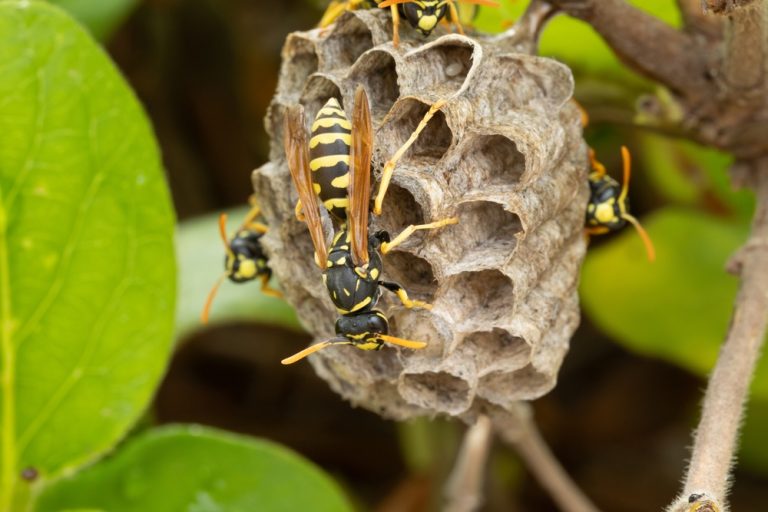
Paper wasps get their name from the paper-like material they use to build their nests. They chew up wood fibers and mix them with their saliva to create a gray, papery structure. These nests are often found under eaves, on porches, in sheds, and in other sheltered areas.
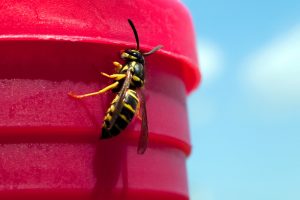
Paper wasps are slender with long legs and can range in color from reddish-brown to dark brown with yellow markings. They are often mistaken for yellowjackets, but unlike yellowjackets, paper wasps are less aggressive unless they feel threatened.
While they do help pollinate plants and control other insect populations, having a wasp nest near your home or business can be a safety concern. Their stings are painful and can be dangerous for those who are allergic.
Where Do Paper Wasps Build Nests?
Paper wasps prefer to build their nests in sheltered spots that provide protection from the elements. Common nesting sites include the undersides of roof overhangs, porch ceilings, sheds, garages, and even inside outdoor furniture.
In apartment buildings, paper wasps may build nests on balconies, stairwells, or near entrances. For restaurant owners, these wasps can be especially problematic if they nest near outdoor seating areas, garbage bins, or food prep areas.
Unlike some other wasp species, paper wasps do not completely enclose their nests. Instead, their nests have an open, umbrella-like shape with visible hexagonal cells. Because these nests are often located in areas where people walk or sit, encounters with wasps can become a frequent issue.
What Attracts Paper Wasps to Homes and Businesses?
Paper wasps are drawn to properties for several reasons, and understanding what attracts them can help prevent future nests.
Sheltered spaces are one of the biggest factors. Eaves, awnings, and other overhangs provide excellent protection from rain and wind, making them ideal locations for wasps to build their nests.
Food sources also play a role. While paper wasps primarily feed on insects and nectar, they are also attracted to sugary drinks, fruit, and food scraps. Restaurants with outdoor seating can be particularly vulnerable, as wasps may be drawn to spilled beverages, uncovered trash, and leftover food on tables.
Certain materials can encourage wasps to settle nearby. They prefer untreated wood, which they chew to create the pulp for their nests. If you have wooden fencing, siding, or outdoor furniture, it could become a target.
Are Paper Wasps Dangerous?
Paper wasps are not naturally aggressive, but they will defend their nest if they feel threatened. If someone gets too close, they may sting multiple times, unlike bees, which can only sting once.
For most people, a wasp sting is painful but not life-threatening. However, for those with allergies, a sting can cause severe reactions that require immediate medical attention. Symptoms of an allergic reaction can include swelling, difficulty breathing, dizziness, and hives.
Businesses, especially restaurants, should be particularly cautious about wasp activity. If customers or employees are stung on the premises, it can lead to negative reviews, complaints, or even liability concerns.
How Can I Tell If I Have a Paper Wasp Problem?
Seeing a few wasps flying around your property does not necessarily mean there is a nest nearby, but it is a sign to start looking. Since paper wasps are most active during the warmer months, late spring and summer are the best times to check for nests.
One of the most obvious signs is the presence of a visible nest. These nests are often found under eaves, in garages, or in other sheltered locations. They start small but can grow larger as the colony expands throughout the season.
Another sign is frequent wasp activity in a particular area. If you notice wasps consistently flying around one spot, there may be a nest nearby. Observing where they land can help pinpoint the location of the nest.
If you notice an increase in wasp activity or find a nest on your property, it is best to avoid disturbing it. Wasps will defend their home if they feel threatened, and attempting to remove a nest on your own can lead to multiple stings.
What Should I Do If I Find a Paper Wasp Nest?
If you find a wasp nest near your home or business, it is important to handle it carefully. Small nests that are just starting to form may be manageable with DIY methods, but larger nests or nests located in hard-to-reach places should always be handled by a professional.
At Nate’s Home and Business Pest Control, we specialize in safe and effective wasp nest removal. Our team is trained to identify nests, assess the level of risk, and remove wasps without causing unnecessary disturbance. Attempting to remove a nest without the proper equipment and experience can lead to dangerous situations, especially if the wasps become aggressive.
For businesses, particularly restaurants, it is essential to address wasp nests as soon as possible. A single nest can lead to customer complaints and potential health risks, so prompt removal is always the best option.
How Can I Prevent Paper Wasps from Nesting on My Property?
Once a wasp nest has been removed, taking steps to prevent future nests can help keep your property wasp-free.
Sealing entry points can make a difference. Closing up gaps in siding, eaves, and outdoor structures can reduce the number of sheltered spaces where wasps might build nests.
Regular inspections around your home or business can help catch small nests before they grow larger. Early detection makes wasp control much easier and reduces the likelihood of a full infestation.
Reducing food sources is another important step. Keeping outdoor trash bins covered, cleaning up spills, and avoiding sugary drinks being left outside can make your property less appealing to wasps. Restaurants should be particularly diligent about food and beverage cleanup in outdoor seating areas.
Using treated wood for decks, fences, and outdoor furniture can also discourage wasps from chewing on these surfaces to create their nests. If you have untreated wood on your property, applying a sealant can help deter them.
When Should I Call an Exterminator?
If you have a wasp nest that is larger than a golf ball, located in a high-traffic area, or if you are allergic to wasp stings, calling a professional exterminator is the safest option. Removing a nest on your own can be risky, especially if the wasps become aggressive during the process.
At Nate’s Home and Business Pest Control, we provide professional wasp control and wasp nest removal services throughout Massachusetts. Whether you have a nest on your porch, near your business entrance, or in a hard-to-reach spot, we have the experience and equipment to remove it safely.
If you have noticed increased wasp activity around your home or business, don’t wait for the problem to get worse. Contact us today to schedule a free inspection and keep your property free from wasp infestations.