Understanding Yellowjackets in Massachusetts
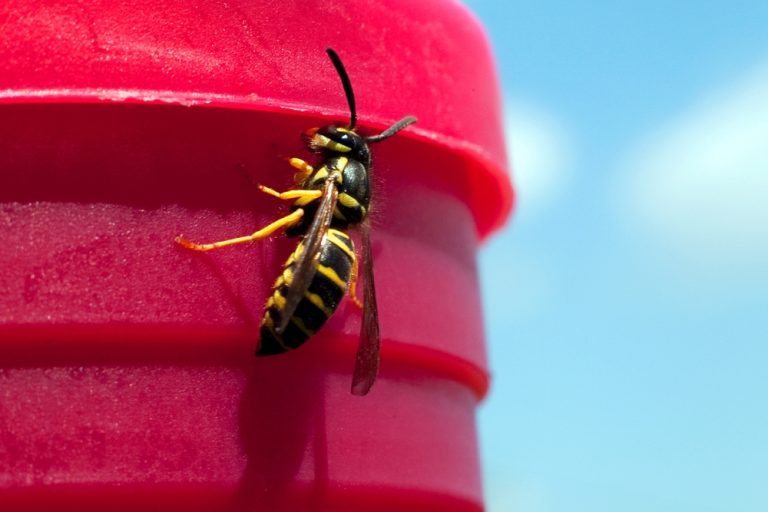
At Nate’s Home and Business Pest Control, we spend a lot of time answering calls about stinging insects, and one of the most common culprits is the yellowjacket. These wasps are highly active across Massachusetts, especially during the warm months from late spring through early fall. They are easily recognized by their bold black-and-yellow coloring and their tendency to build nests in places that make people nervous, such as under decks, inside wall voids, near dumpsters, or in the ground.
Yellowjackets are not just a backyard nuisance. For homeowners, they make it difficult to enjoy a summer barbecue. For renters, they can turn balconies or shared courtyards into risky spaces. For restaurant owners, especially those with outdoor dining areas, yellowjackets can drive away customers and create health and safety concerns. That is why understanding yellowjacket behavior and knowing when to seek professional yellowjacket control is so important.
Why Yellowjackets Are a Problem
The most common complaint about yellowjackets is their sting. Unlike honeybees, which can only sting once, yellowjackets can sting repeatedly. Their stings are painful, and for individuals with allergies, they can be dangerous. Even for those without allergies, being swarmed by a nest of angry yellowjackets is an experience no one wants.
In Massachusetts, we often see yellowjackets nesting in places where people gather. They are attracted to sugary drinks, meat, and food scraps, making picnics, patios, and restaurant trash areas especially appealing to them. Their aggressive nature when defending their nests makes them a threat to safety, and their presence around food service establishments can raise health inspection concerns.
Common Questions About Yellowjackets
One of the most frequent questions we hear is how to tell yellowjackets apart from bees. Yellowjackets are slimmer than honeybees and lack the fuzzy hairs that bees use to collect pollen. While bees are important pollinators and generally docile, yellowjackets are predators and scavengers, which makes them more aggressive when searching for food.
Another common question is whether yellowjackets die off in the winter. In Massachusetts, most of the colony dies when cold weather arrives, but fertilized queens survive by hibernating in protected areas. These queens start new nests in the spring, which means that each year the cycle begins again.
Why Massachusetts Has So Many Yellowjackets
Our climate and environment make Massachusetts an ideal habitat for yellowjackets. The warm, humid summers provide plenty of food sources, from flowering plants to human trash. Urban and suburban areas give them countless nesting opportunities in the ground, in wall cavities, and under eaves. Because of our long winters, yellowjackets are especially active during the summer and fall, when they work hard to gather food for the colony and protect their nest.
The popularity of outdoor dining and backyard living in Massachusetts adds to the challenge. Wherever food and drink are present outdoors, yellowjackets are not far behind.
Health Risks from Yellowjackets
For most people, a yellowjacket sting causes temporary pain, swelling, and redness. However, for those with severe allergies, even a single sting can lead to a dangerous reaction requiring immediate medical attention. Multiple stings can also cause more serious health issues, even in people without allergies.
Restaurants face additional risks. Customers stung while dining outdoors may require medical care, and repeated yellowjacket activity can lead to negative reviews and health department scrutiny. Families with children or pets also have concerns, since kids are more likely to disturb nests accidentally, and pets can suffer painful stings.
How Professional Yellowjacket Control Works
While homeowners may be tempted to tackle a yellowjacket nest themselves with a spray can from the hardware store, this often makes the situation worse. Yellowjackets defend their nests aggressively, and disturbing one can trigger a swarm. For this reason, calling a professional exterminator is the safest option.
At Nate’s Home and Business Pest Control, our approach to yellowjacket control begins with a careful inspection. We identify the location and size of the nest, determine the safest way to access it, and select the appropriate treatment. Depending on the situation, this may involve applying targeted products directly to the nest or carefully removing the nest when possible.
We always take safety seriously, not just for our team but for your family, tenants, employees, and customers. Our exterminators use protective equipment and proven methods that eliminate the nest while minimizing disruption to your home or business.
Preventing Yellowjacket Problems at Home
Prevention plays a big role in yellowjacket control. Homeowners can reduce the risk of attracting yellowjackets by keeping outdoor trash bins tightly closed, cleaning up food and drink spills promptly, and sealing cracks or gaps in siding where a queen could start a nest in the spring.
It’s also helpful to maintain yards by mowing regularly and trimming back shrubs, since yellowjackets often build ground nests in hidden spots. For families that enjoy backyard dining, covering food and drinks when outdoors and cleaning up immediately afterward can reduce yellowjacket interest.
Yellowjacket Control in Apartments
Renters often face a unique challenge when it comes to yellowjackets. Shared outdoor spaces, such as courtyards, balconies, and trash disposal areas, provide attractive nesting spots. Because multiple tenants use the same areas, a single nest can affect many people.
We encourage renters who notice yellowjacket activity to report it to their landlord or property manager immediately. Addressing the issue quickly prevents it from spreading and keeps common areas safe for everyone. Property managers benefit from scheduling regular inspections with a professional exterminator to stay ahead of potential problems.
Yellowjackets and Restaurants
For restaurant owners, yellowjackets are a serious concern. Outdoor dining areas are particularly vulnerable, especially during peak summer months. Yellowjackets are drawn to sweet beverages, sauces, and food scraps. They can hover around tables, land on plates, or linger near trash bins, creating a poor customer experience and potential health hazards.
Our team at Nate’s Home and Business Pest Control works with restaurants across Massachusetts to provide proactive yellowjacket control. This includes regular inspections, monitoring of trash and recycling areas, and targeted treatments if nests are found nearby. Educating staff on proper waste management and cleaning practices is also part of the process. Preventive service is especially important for restaurants, since yellowjacket issues can harm both customer safety and business reputation.
Why Choose a Professional Exterminator
Calling a professional exterminator may seem like a big step, but when it comes to yellowjackets, it is the safest and most effective choice. Store-bought sprays may kill a few insects, but they rarely eliminate the entire colony. In fact, using them incorrectly can agitate the yellowjackets and increase the risk of stings.
A licensed exterminator in Massachusetts has the knowledge and tools to treat nests properly. At Nate’s, we not only eliminate the immediate problem but also offer advice on prevention, so the issue is less likely to return the following season.
How Long Does Yellowjacket Removal Take
The time it takes to resolve a yellowjacket problem depends on the size and location of the nest. Some nests can be eliminated in a single visit, while others require follow-up treatments to ensure all activity is gone. Outdoor nests in the ground may be more straightforward, while hidden nests inside walls or ceilings may take longer.
We always explain the process clearly to our customers so you know what to expect. Safety is the top priority, and sometimes that means scheduling treatments at specific times of day when the colony is less active.
Costs of Yellowjacket Control in Massachusetts
Costs vary depending on the situation, but in general, professional yellowjacket control is a worthwhile investment compared to the risks of attempting to handle the problem yourself. For homeowners, a single treatment may be sufficient. For apartment buildings or restaurants, ongoing service may be recommended to address multiple nests or prevent future issues.
The peace of mind that comes with knowing your home, rental property, or restaurant is safe from aggressive stinging insects is invaluable. Avoiding medical bills from stings or lost revenue from unhappy customers makes professional service cost-effective in the long run.
When to Call for Help
The best time to call an exterminator is as soon as you notice yellowjacket activity. Early intervention prevents nests from growing larger and more difficult to manage. If you see yellowjackets flying in and out of a small opening in the ground, siding, or roofline, that is a clear sign of a nest. Persistent yellowjacket activity around outdoor dining areas or trash bins also signals the need for professional attention.
Delaying only allows the problem to escalate. Yellowjacket colonies can grow to thousands of individuals by late summer, making removal more dangerous and complicated.