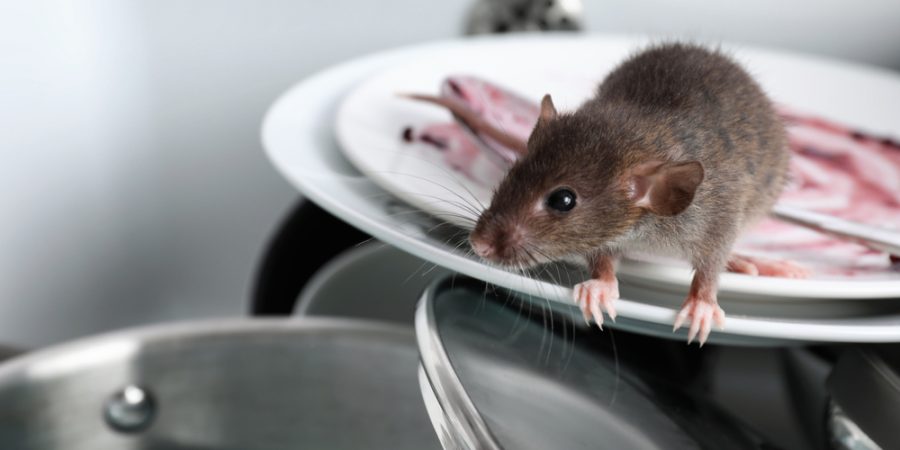
At Nate’s Home and Business Pest Control, this is one of the most common questions we hear from homeowners, apartment renters, and restaurant owners across Massachusetts. It sounds like something out of a movie, but the short answer is yes. Mice and rats can enter homes and businesses through drain pipes under the right conditions. Understanding how this happens can help you spot risks early and prevent bigger problems later.
How rodents use drain systems as highways
Rats and mice are incredibly adaptable animals. In cities and towns throughout Massachusetts, sewer and drain systems provide warmth, moisture, shelter, and steady access to food. Rats in particular are strong swimmers and can tread water for long periods of time. They are capable of traveling through sewer lines, storm drains, and plumbing pipes that most people would assume are impossible to navigate.
Mice are less likely to swim long distances, but they can still take advantage of damaged or poorly sealed drain connections. Cracks, gaps around pipe joints, and older plumbing create opportunities for rodents to move from sewer systems into walls, basements, and crawl spaces. Once inside, they only need an opening the size of a dime to make themselves at home.
Where drain-related rodent entry is most likely
In our experience as a Massachusetts exterminator serving both homes and businesses, drain-related rodent entry is most common in older buildings. Aging infrastructure often means worn pipes, outdated materials, and hidden breaks that go unnoticed for years. Basement floor drains, unused toilets, utility sinks, and commercial kitchen drains are common problem areas.
Restaurants face higher risk because food residue, grease buildup, and frequent water use make drains especially attractive to rats. Multi-unit apartment buildings also see higher activity since rodents can travel through shared plumbing and wall voids, moving from one unit to another without being seen.
Can rodents really come up through toilets
This question makes people understandably uncomfortable, but it does happen, though it is rare. Rats are physically capable of swimming through sewer lines and navigating the curves of toilet traps. This is more likely in buildings with older plumbing or in areas where sewer systems are heavily infested. While most rodent drain entries happen behind walls or under floors, toilets are still considered a potential access point, especially if they are rarely used.
Signs rodents may be entering through drains
Rodent problems connected to drains and sewer lines often start quietly. You might hear scratching or movement sounds that seem to come from walls or floors near bathrooms or kitchens. Slow or frequently clogged drains can also be a warning sign, especially when paired with foul odors that do not improve after cleaning.
In commercial spaces like restaurants, sudden increases in rodent sightings near dishwashing areas, prep sinks, or floor drains are another red flag. Droppings, gnaw marks, and grease smears near plumbing access points often indicate regular rodent travel.
Why ignoring drain entry leads to bigger problems
Rodents that gain access through drains rarely stay confined to one area. Once inside, they explore wall cavities, ceilings, storage areas, and food sources. They contaminate surfaces, damage insulation and wiring, and spread bacteria throughout the building. In restaurants, this can quickly become a serious health code issue. In homes and apartments, it creates risks for children, pets, and anyone with allergies or respiratory conditions.
It is also important to remember that rodent issues often overlap with other pest concerns. Properties dealing with mice and rats sometimes later discover the need for services like bed bug control or insect management, especially in multi-unit housing where pests move easily between spaces.
How prevention starts with plumbing and maintenance
Preventing rodents from entering through drain pipes starts with regular inspections and maintenance. Floor drains should be properly covered with secure grates designed to resist rodent entry. Plumbing joints and pipe penetrations should be sealed tightly, especially where pipes enter walls or floors. Unused drains and bathrooms should still be flushed regularly to maintain water traps that block sewer access.
For restaurants, routine professional drain cleaning can reduce food buildup that attracts rodents. Proper waste management, grease trap maintenance, and staff training all play a role in making drains less appealing as entry routes.
When to call a professional exterminator
If you suspect rodents are entering through drains, it is time to contact a professional exterminator. Rodent issues connected to plumbing are rarely solved with traps alone. They require a combination of inspection, exclusion, sanitation, and ongoing monitoring. A licensed pest control company can identify hidden access points, assess sewer connections, and recommend long-term solutions that fit your specific property.
At Nate’s Home and Business Pest Control, we work with homeowners, renters, landlords, and restaurant owners across Massachusetts to address rodent problems at the source. Our approach focuses on prevention just as much as removal, because lasting results depend on stopping pests before they get inside.
Why Massachusetts properties need local expertise
Rodent behavior varies by region, and Massachusetts has its own unique challenges. Seasonal weather changes drive rodents indoors during colder months, while dense urban infrastructure creates ideal conditions for sewer populations. Older housing stock and historic commercial buildings also require specialized knowledge to protect without causing damage.
Working with a local pest control provider means you get solutions designed for the realities of Massachusetts properties. Whether you need rodent exclusion, general pest management, or services like bed bug control, having one trusted exterminator makes all the difference.
Final thoughts from Nate’s Home and Business Pest Control
Mice and rats entering through drain pipes may not be the most common scenario, but it is absolutely possible and often overlooked. Understanding how rodents use plumbing systems helps you take proactive steps to protect your home or business. With proper maintenance and professional support, drain-related rodent problems can be identified early and resolved effectively.
If you are concerned about rodents or other pests in your Massachusetts property, Nate’s Home and Business Pest Control is here to help with practical advice and proven solutions designed to keep your space safe, clean, and comfortable.