At Nate’s Home and Business Pest Control, we’ve worked with a lot of homeowners in Worcester and the surrounding areas, and one question that comes up a lot during the warmer months is how to tell if carpenter ants are making themselves at home in your house. It’s a fair concern. These ants can cause serious structural damage over time, and unlike termites, they don’t eat the wood—they tunnel through it, creating galleries and nests that weaken beams, joists, and other wooden parts of a structure.
If you’re unsure what to look for, or you’ve been noticing some unusual activity around your home, we’re here to help you understand the common signs of carpenter ants, what they mean, and what to do next.
Understanding Carpenter Ants in Worcester Homes
Carpenter ants are one of the most common pests we deal with across Central Massachusetts. Worcester’s climate—humid summers and cold winters—creates an ideal environment for these ants to thrive. Carpenter ants love moisture and tend to nest in damp or decaying wood, which can often be found in basements, attics, or exterior areas like decks and porches.
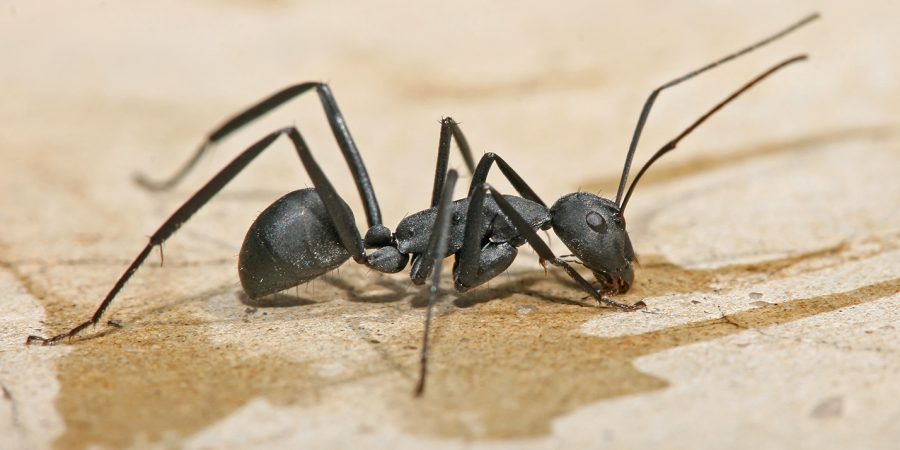
These ants are typically large, ranging from a quarter inch to half an inch long, and are usually black or black with reddish tones. Unlike smaller pavement ants, carpenter ants are more noticeable due to their size and tendency to show up in small groups during foraging.
Seeing the Ants Themselves
One of the first signs most homeowners notice is actually seeing the ants. You might spot a few of them crawling along baseboards, windowsills, or kitchen counters—especially at night. Carpenter ants are nocturnal, which means they’re most active after the sun goes down. So if you’re noticing them during the day, that usually means the nest is well-established and expanding.
You might also see them outdoors, crawling on trees, fences, or the exterior of your home. That doesn’t always mean they’re nesting inside, but it does mean you’ll want to stay alert. Seeing a few foraging ants indoors is often an early sign of a nearby nest. If the sightings become regular, it’s a good time to consider a carpenter ant control inspection.
Rustling or Faint Noises in the Walls
It might sound strange, but when a carpenter ant colony grows large enough, you can actually hear them. If you’ve ever heard a faint rustling or soft crunching sound coming from your walls, especially at night, it could be the sound of ants chewing through wood. It’s not loud—nothing like a mouse—but it’s noticeable in a quiet room.
These sounds usually indicate a more serious infestation, and at that point, reaching out to a carpenter ant exterminator is definitely the right move. Ignoring it can lead to long-term structural damage that’s far more expensive to fix than the pest issue itself.
Piles of Sawdust or “Frass”
Another sign to watch for is the presence of fine sawdust-like material near baseboards, window frames, or under wooden furniture. Carpenter ants push out the wood shavings, debris, and waste they create when building their nests, and this mixture—called “frass”—can pile up underneath where they’re working.
Unlike termites, which eat wood, carpenter ants dig into it to create their tunnels and nesting chambers. The result is a smooth, almost sanded appearance to the inside of the wood they’ve hollowed out. If you notice tiny piles of what looks like sawdust and you haven’t been doing any woodworking, that’s a strong clue that carpenter ant removal might be needed.
Winged Ants Indoors
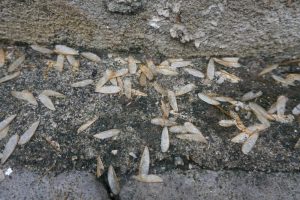
Seeing winged ants inside your home can be alarming, and for good reason. These are the reproductive ants—called swarmers—and their appearance typically means there is a mature colony somewhere nearby. In Worcester, swarmers usually appear in the spring, especially after a stretch of warm days.
People often confuse them with termites, but there are a few differences. Carpenter ant swarmers have elbowed antennae, a narrow waist, and wings that are different lengths. If you see a few of these around your home, especially near windows or light fixtures, it’s a red flag that a nest may be inside the structure or very close to it.
Hollow-Sounding Wood or Soft Spots
Because carpenter ants hollow out wood to build their nests, over time the wood they infest becomes structurally weak. If you tap on a beam, windowsill, or door frame and it sounds hollow—or worse, feels soft when you press on it—it could be a sign of internal damage caused by ants.
In some cases, homeowners notice sagging floors or drooping ceilings, especially in areas prone to moisture. If the wood in these areas has been compromised, it’s time to act quickly. The longer the ants have to work, the more damage they can do.
Trails and Pathways
Carpenter ants are organized and leave scent trails to communicate with one another. While you won’t see the trails themselves, you might notice ants following the same path along a wall, countertop, or garden path outside. These trails are a telltale sign that the ants have established a regular route between a food source and their nest.
Outdoors, you might notice a line of ants traveling up the side of your house or along tree branches that touch your roof. These can be highways straight into your attic or upper floors. Keeping branches trimmed and sealing up entry points can help, but once the ants are inside, professional carpenter ant control is usually the most effective approach.
What to Do If You See Signs of Carpenter Ants
If any of these signs sound familiar, don’t panic—but don’t wait too long, either. Carpenter ants can be tricky to fully eliminate without the right tools and knowledge. Because they nest deep within walls or in hard-to-reach areas, DIY methods often miss the mark or only kill the visible ants while the colony keeps going.
At Nate’s Home and Business Pest Control, we offer comprehensive carpenter ant exterminator services throughout Worcester. That means identifying the nest, treating it directly, and helping you prevent future infestations. We also take the time to look for conditions that attract ants in the first place, like moisture problems or rotting wood.
Our carpenter ant removal process is designed to be safe, effective, and minimally disruptive. Whether you’re dealing with a few ants in the kitchen or a full-blown infestation, we’re here to help you get your home back to normal.
Trust Nate’s for Local, Reliable Help
Living in Worcester means dealing with a range of seasonal pests, and carpenter ants are among the most destructive. The good news is that with early detection and a reliable carpenter ant control plan, you can protect your home from long-term damage.
If you think you might have carpenter ants—or you just want peace of mind—reach out to Nate’s Home and Business Pest Control. We’re your local experts in carpenter ant removal, and we’re always happy to answer questions, schedule an inspection, or provide a treatment plan tailored to your home.
You don’t have to deal with pests on your own. Let us help you keep your Worcester home safe, strong, and pest-free.